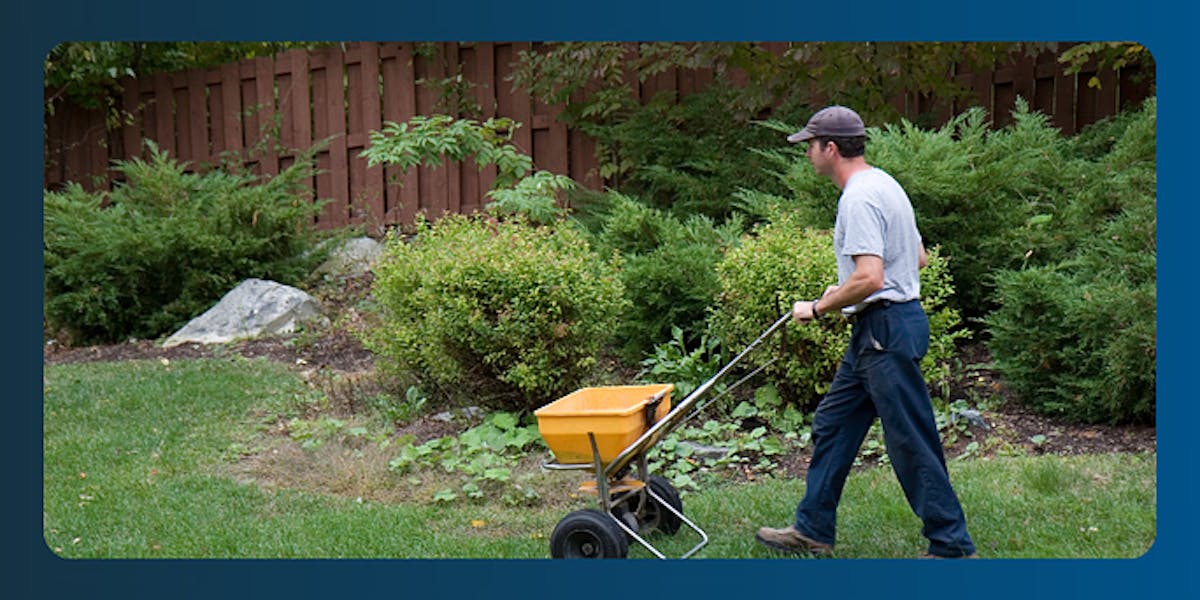
Landscaping Proposal Template (PDF)
Landscaping Proposal Template (Word)
Landscaping Proposal Template (Excel)
This guide covers the point where a job has outgrown a quick quote, what every section of a strong proposal needs to carry, and how to write one a homeowner or a property manager will sign without a string of follow-up questions. The payoff is steadier margins, a bid that looks like a real business sent it, and more of the work you actually want.
When a Landscaping Proposal Template Beats a Quick Quote
A quote answers one question: what will it cost. A proposal answers everything else, then locks in the terms you will be measured against once the crew rolls up. Picking the right document is the first call you make, and getting it wrong costs you an afternoon or the contract.
For a small, well-defined job, a quick quote is all anyone wants. A one-time mow, a single shrub removal, a quick spring cleanup. The customer wants a number and a date, not six pages.
A full proposal earns its place the moment the work grows in any of these directions:
- The work repeats on a contract, like a full-season maintenance agreement priced per visit across a route of properties.
- The client is commercial, such as an HOA board, a facilities manager, or a property management group weighing your bid against two others.
- The job runs in phases, like a design-build install with grading, hardscape, irrigation, and planting spread across weeks.
- Licensed or regulated work sits in the scope, such as pesticide and fertilizer application that a state-licensed applicator has to sign off on.
Here is the rough test most landscaping companies land on.
| Job characteristic | Quick quote | Full proposal |
|---|---|---|
| One-time mow or single cleanup | Yes | No |
| Full-season maintenance contract | No | Yes |
| HOA or property manager comparing bids | No | Yes |
| Phased design-build install | No | Yes |
| Licensed chemical application included | Sometimes | Yes |
A property manager reading bids is not only checking your number. She is deciding whether you are the company that shows up on the scheduled day, services every property on the route, and does not invent charges the first time a crew hits a tree root. A clear proposal answers all of that before she has to ask.
The math backs it up. Across 438,000 quotes from more than 2,200 contractors, the median contractor converts 73.9% of quotes, while the top quartile closes at 81.3%. On $5 million in annual quoting volume, moving from a 60% to an 85% close rate is a $1.25 million revenue difference, with no extra spend on marketing or estimating. The proposal is where that gap opens or closes.
Operational fix: Set a dollar threshold and a recurring-work trigger, then make it a standing rule. Above that figure, or any time a job repeats on a contract or touches a commercial client, it gets a proposal instead of a quick quote.
What to Put in a Landscaping Proposal
A residential service proposal sits comfortably at four to six pages. A larger commercial bid can run longer, but once you push past roughly a dozen pages you start burying the detail that wins the work. Below are the sections that consistently land the job.
Header: your business, license, and the client's details
Open with a clean header. Company name, logo, contractor and applicator license numbers, and proof of liability and workers' comp insurance up top. On the client side, add their name, the property address, and contact details, then a proposal number, the issue date, and an expiration date.
The expiration date does two jobs. It nudges the client to decide, and it protects you from honoring a price after your nursery and material costs have moved. Thirty days is a sensible default on residential work. On larger installs, set it against your supplier quote windows, because mulch, sod, and plant material rarely hold a price through a season.
The site-walk summary
Two to four sentences on what you found. What you saw on the walkthrough, the real condition of the property, and what you are proposing to do about it.
Even a short, specific opening tells the client the document was built for their property, not pulled from a folder and renamed. It separates the company that walked the site from the one that owns a template.
Scope of work, property by property
This is the section that wins or loses the bid. Lay out exactly what gets done, area by area, across the whole job. A vague scope is where disputes are born.
For a full-season maintenance contract, spell out:
- Mowing frequency, cut height, and whether clippings are bagged or mulched.
- Edging, trimming, and blowing of hard surfaces on each visit.
- Bed maintenance, weeding, and the mulch refresh schedule.
- Pruning windows, leaf removal, and any seasonal cleanups.
- What counts as out of scope, like storm cleanup or tree work over a set caliper.
For a design-build install, spell out:
- Site protection, grading, and debris haul-off.
- Hardscape materials, base prep, and square footage.
- Irrigation zones, head count, and controller type.
- Plant material by species, size, and quantity.
- The walkthrough and what counts as substantial completion.
State which permits you are pulling and which licensed applications are included. Spell out exclusions as plainly as inclusions: irrigation repairs on an existing system, tree removal, drainage work, or anything left to another contractor.
On any sizable bid, a hidden-conditions clause is not optional. Anything found below grade that was not visible on the walkthrough, like buried debris, a failed drain line, or rock, should trigger a change order, not quietly eat your margin.
Materials, plants, and allowances
Detail what you are installing. Not "shrubs" but the species, container size, and quantity. Not "pavers" but the manufacturer, line, and square footage. When your proposal names a specific product against a competitor's generic line item, the client comparing bids finally sees why the prices differ.
Where the client has not picked finishes yet, set clear allowances with a dollar figure per category, and state plainly that selections above the allowance flow through as a change order.
Labor and crew, broken out
Separate labor from materials, then break labor down by crew or phase where it helps the reader. Cleanup, install, and finish work each deserve their own line on a larger job.
State crew size, any subcontracted scope like tree work, and how many crew members will be on-site across a multi-day install. That level of detail heads off the disputes that surface when everything is bundled under one "labor" figure.
Overtime is where season-long margin quietly leaks. Villa Serena Communities, which runs crews across multiple properties, is a case in point. Jesus Alvarado credits the real-time visibility into hours with saving the operation roughly $1,000 a month in overtime, once the guessing stopped. A proposal can only hold its labor numbers if the hours behind them are accurate in the first place.
The pricing breakdown that earns trust
A line-item price reassures. A single lump sum invites doubt.
Picture a client weighing a flat $18,400 against a proposal showing $5,200 in plant material and mulch, $7,600 in labor across three phases, $2,100 in equipment and rental, $900 in permits and disposal, a $1,200 contingency, and a named line for overhead and profit. Only one of those clients knows what they are paying for.
Structure the pricing table with clear categories:
- Materials and plants, itemized by component with quantities and unit costs.
- Labor, broken down by crew or phase.
- Equipment and rental, such as skid steers, aerators, or dump trailers.
- Subcontractor costs, clearly labeled.
- Permits, disposal, and fees.
- Contingency and allowances.
- Overhead and profit, named rather than hidden.
- Subtotal, applicable tax, and total.
This is where confidence pays. Underpricing to win the bid is one of the most common mistakes a growing landscaping company makes, and a margin is far harder to claw back than to defend.
Operational fix: Name your overhead and profit line out loud. Clients rarely resent a company running a real business. They resent numbers they cannot account for.
Tiered options: good, better, best
Offering three tiers lifts the average value of the job by handing the client a decision instead of a flat yes or no.
| Tier | What it covers |
|---|---|
| Good | Meets the scope with solid plant material and the standard service schedule. |
| Better | Steps up to larger specimens, seasonal color, or an added enhancement. |
| Best | Adds premium materials, an irrigation upgrade, or a year-round care plan. |
Plenty of clients take the middle option precisely because you gave them one.
Schedule and seasonal milestones
State your proposed start date and a target for completion. For phased work, break the schedule into milestones: site prep, hardscape set, irrigation in, planting complete, and final walkthrough.
Build in nursery lead times on specimen plants, material delivery windows, and the weather and seasonal constraints that landscaping lives and dies by.
Plant guarantees and workmanship
A one-year warranty on workmanship is standard, and many companies offer a season-long or one-year guarantee on installed plant material. Draw a clear line between your labor warranty and any manufacturer warranty on hardscape or irrigation components, and state plainly what voids the plant guarantee, such as a client-managed irrigation failure.
Terms and conditions
A complete terms section covers the payment schedule and deposits, renewal terms on recurring contracts, change orders, hidden conditions, dispute resolution, and confirmation of insurance. On commercial work, address invoicing cadence and any insurance limits the client has specified. Read every contract for these terms before you sign it.
Acceptance and e-signature
Close with a clean acceptance block: signature lines for both parties, printed name fields, and a date. Then make it digital. Proposals that include an e-signature option close 40% faster than the ones waiting on a printed signature, and on a competitive bid that speed can be the difference between winning and watching another crew mobilize first.
How to Write a Landscaping Proposal That Gets Signed
A solid template gets you most of the way. How you write inside it decides whether the bid is taken seriously or quietly set aside. These habits tilt the odds your way.
Open on the walkthrough, not your company history
Lead with what you saw on-site, not how long you have been in business.
Compare two openings. "This proposal covers landscaping services." Against: "During the walkthrough on May 14, 2026, we found turf thinning under the front maples from shade and compaction, two irrigation zones not reaching the back beds, and erosion starting along the side slope." The first tells the client you own a template. The second tells them you understand their property. Only one earns the job.
Draw a hard line around scope
Disputes grow out of vague language in the scope, the labor breakdown, and the materials list. Write the scope so a crew leader who never walked the property could price the job from your words alone.
Granular detail is not busywork. It surfaces the hard questions before work starts, not halfway through an install when the client expected sod and you priced seed.
Make the pricing legible
The same openness you bring to the scope belongs in the pricing. Break the cost down rather than leaving one figure to be argued over. If overhead and profit sit in the total, say so plainly. When the numbers are clear, clients push back far less.
Translate the technical into plain language
This matters most on residential work. A homeowner does not need to know the soil amendment ratio or the exact paver base depth. They need to know the patio will not heave over winter and the new plants will actually live. Answer the question they are really asking, which is almost always: will it last, and will it look good?
Back the bid with proof
However clean the document, your own claims only travel so far with a cautious client. A line from a past client, a before-and-after photo of a comparable property, or a recent review can tip a wavering decision your way. Social proof does not need to be a full case study. A sentence and a client name often do the work.
Win More Bids With a Reusable Landscaping Proposal Template
Most landscaping companies cannot tell you their proposal win rate, because they have never tracked it. You cannot improve a number you do not measure, and a reusable landscaping proposal template is the first step toward measuring it. The companies that bid sharper and faster are the ones still on the screen when the property manager makes the call.
But the cleanest template in the world still prices labor from whatever data you feed it. If that data is a rough memory of last season, your margins are a coin flip. ClockShark tracks labor spend by job, task, or crew so you can see where money is earned or lost as the work happens, which sharpens your quoting accuracy and protects margins on the next bid. Per-property GPS clock-in captures the time at each site separately, not when the truck leaves the yard, and the Advanced Job Costing Controls add-on ties hours to cost codes so you spot overruns earlier. That is the same real-time visibility that helped Villa Serena Communities pull their overtime back under control, and it is exactly what lets you price your next proposal from real numbers instead of a guess.
Build the template once, then back every bid with labor data you can trust. Schedule a ClockShark demo and see how accurate time tracking turns your next proposal into a sharper, more profitable bid.
Frequently Asked Questions About Landscaping Proposals
What is a landscaping proposal template?
A landscaping proposal template is a reusable document structure that turns a job estimate into a professional, client-ready bid. It standardizes the sections every proposal needs: your license and the client's details, a site-walk summary, a property-by-property scope of work, a materials and plant specification with allowances, a labor and pricing breakdown, schedule milestones, plant and workmanship guarantees, terms, and an acceptance block. Working from a template makes every bid consistent, faster to produce, and easier to track for win rate.
What should a landscaping proposal include?
A landscaping proposal should include your company and license details, a summary of what you found on the walkthrough, a property-by-property scope of work, a materials and plant specification, a labor breakdown by crew or phase, an itemized pricing table, optional good-better-best tiers, a schedule with seasonal milestones, plant and workmanship guarantees, terms and conditions, and an acceptance block with e-signature. The scope and pricing sections carry the most weight, because they are what competing bidders are compared on most closely.
What is the difference between a landscaping estimate and a proposal?
A landscaping estimate gives a client a price, while a landscaping proposal sets out the full scope, terms, and conditions of the job alongside that price. A quick estimate suits a one-time mow or a single cleanup. A proposal is the right tool once the work involves a full-season maintenance contract, a commercial client comparing bids, a phased design-build install, or licensed chemical application.
How long should a landscaping proposal be?
A typical residential landscaping proposal runs four to six pages. Larger commercial bids can extend further when the scope genuinely demands it, but proposals that push past roughly a dozen pages tend to bury the detail that actually wins the job. Aim for a document long enough to specify the scope, materials, and pricing clearly, and short enough that a busy client can read it end to end.
How can I make my landscaping proposals win more work?
You win more landscaping work by opening with what you found on the walkthrough, specifying the scope and plant material in detail, breaking pricing down transparently, and translating technical detail into plain language. Enabling electronic signatures and adding a short client testimonial both lift close rates. Tracking your win rate, then building reusable templates so every bid is fast and consistent, lets you improve the number over time instead of guessing. Pricing labor from real job-cost data, rather than memory, keeps those winning bids profitable.